
5 Ways Homeowners in Phoenix Can Improve the Efficiency of Their HVAC System
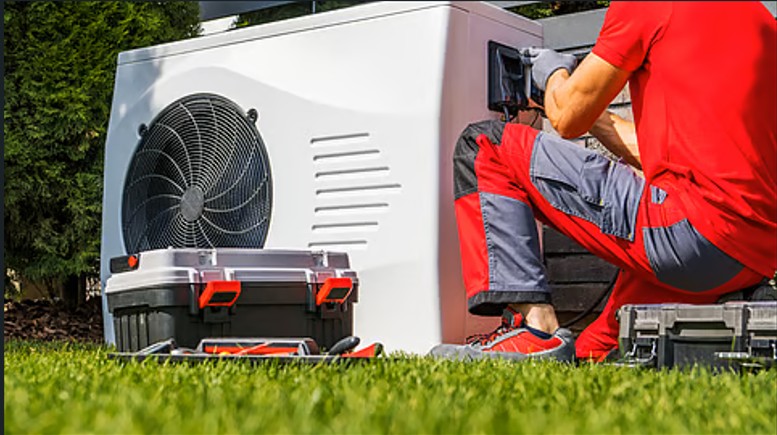
The heat in Phoenix can push an HVAC system to run longer cycles, which increases wear and monthly energy costs. When airflow drops or controls drift out of calibration, comfort declines even while the unit works harder. Efficiency improves when homeowners focus on simple habits that reduce strain and support steady performance.
A clear plan also helps homeowners avoid surprise breakdowns during the hottest weeks of the year. Many residents consult an HVAC company in Phoenix, AZ, to confirm airflow levels, system sizing, and maintenance priorities for their specific home. Professional insight can reveal small inefficiencies that raise costs over time. With practical upgrades and routine care, energy use becomes easier to manage.
1. Replace Filters and Protect Airflow
Airflow is the foundation of HVAC efficiency, especially during peak cooling months in Phoenix. A dirty filter forces the blower to work harder and reduces comfort throughout the home. The steps below outline simple ways to protect airflow and reduce system strain.
- Replace filters on schedule based on usage, pets, and local dust conditions.
- Use the correct filter size and rating to avoid restricting airflow unnecessarily.
- Keep return grilles clear of furniture, rugs, and stored household items.
- Vacuum vents and grilles to reduce debris that can limit air movement.
2. Seal Duct Leaks and Balance Distribution
Duct leaks waste conditioned air and force the system to run longer to reach the thermostat setpoint. In Phoenix attics, heat exposure can amplify losses when ducts have gaps or weak connections. A balanced system distributes air evenly, which improves comfort and reduces run time.
Small leaks can also pull dust into the duct system and reduce indoor air quality. Sealing and balancing can reduce hot spots and cold spots across the home. Better distribution supports consistent comfort with less energy use.
3. Use Smart Thermostat Settings
Thermostat settings can either support efficiency or cause unnecessary cycling and longer run times. Large temperature swings force longer cycles and can raise daily energy use. The steps below help homeowners in Phoenix use thermostat control in a way that supports comfort and efficiency.
- Keep temperature adjustments moderate to avoid long recovery cycles.
- Use scheduled setbacks that match work hours and sleep routines.
- Confirm thermostat placement away from direct sun and warm appliances.
- Replace batteries and verify accurate readings during seasonal changes.
4. Maintain Outdoor Units and Clear Heat Transfer
Outdoor units need clean coils and a clear space to reject heat efficiently. When coils collect debris, the system works harder and may struggle to cool during extreme heat. Keeping the area clear helps protect performance and reduces strain during peak demand.
Trim back plants and remove leaves, dust, and yard debris around the unit. Rinse coils carefully when recommended, and avoid bending fins that affect airflow. Clean heat transfer supports better efficiency and steadier indoor comfort.
5. Schedule Preventive Service and Tune-Ups
A tune-up helps confirm refrigerant performance, electrical health, and safe system operation. Technicians in Phoenix can identify weak capacitors, worn contactors, and airflow issues before they lead to breakdowns. Preventive service also supports better efficiency through calibration and system cleaning.
Homeowners who work with an HVAC company in Phoenix, AZ, can also confirm that the system is sized correctly for the home. Proper sizing reduces unnecessary run time and improves humidity control during shoulder seasons. Routine service protects equipment life and supports more predictable energy bills.
HVAC efficiency in the households in Phoenix improves through clean airflow, sealed ducts, stable thermostat control, and proper outdoor unit care. These steps reduce system strain and help the home stay comfortable during long heat cycles. Preventive service adds an extra layer of protection by catching small issues early. With consistent care, homeowners can reduce energy waste and extend system lifespan.