
9 Factors That Make Rural Housing Projects Profitable
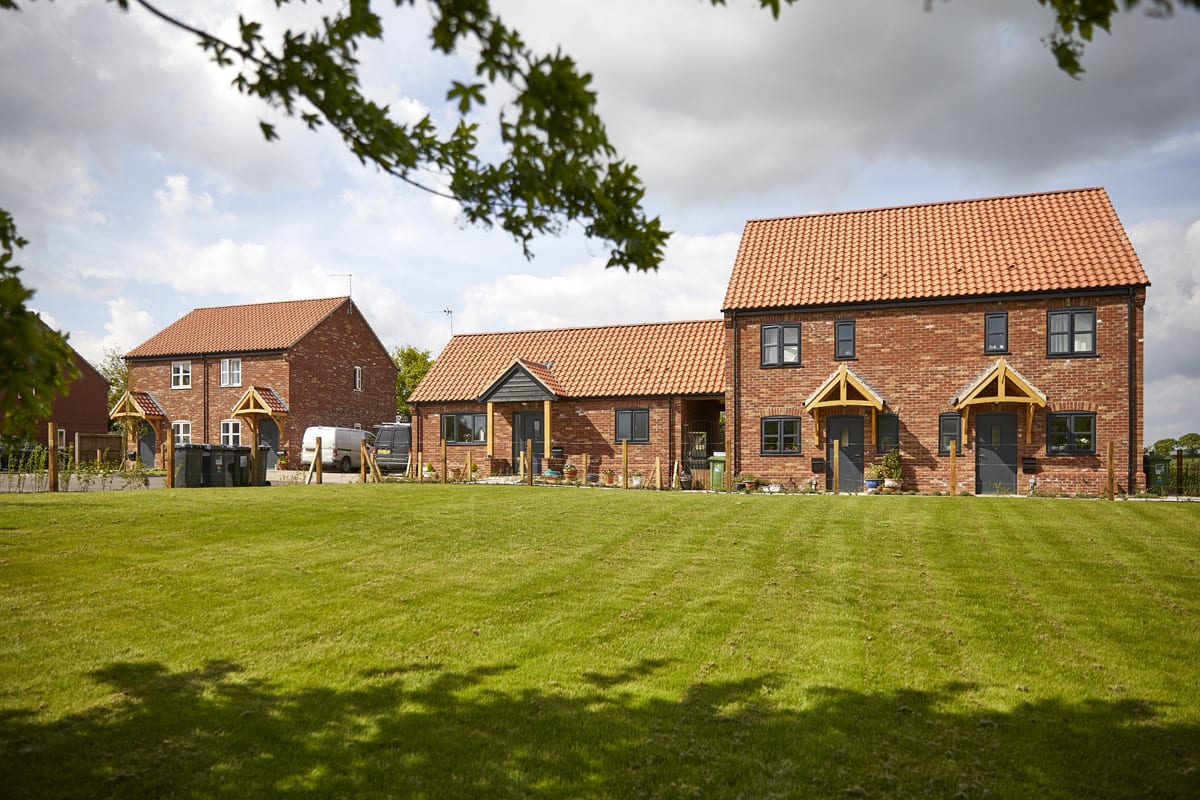
Real estate investment in rural areas is often overlooked in favor of bustling urban centers, yet the numbers tell a different story. For savvy investors, rural housing projects offer a unique combination of lower entry costs, steady demand, and government incentives that can yield impressive returns. Understanding the specific drivers of profitability in these markets is essential for capitalizing on opportunities that others might miss.
This article explores nine critical factors that contribute to the success of rural housing developments, providing actionable insights for investors looking to diversify their portfolios and tap into this resilient market sector.
1. Lower Acquisition and Land Costs
One of the most immediate advantages of rural development is the significantly lower cost of land compared to metropolitan areas. In cities, high land prices often eat into profit margins before construction even begins. In rural markets, investors can acquire larger plots for a fraction of the cost, allowing for more spacious developments or lower overall project budgets.
This cost differential means that the break-even point for rural projects is often lower. Investors can achieve profitability with lower rental rates or sales prices, making the housing accessible to the local workforce while still generating healthy returns. When scouting locations, focus on areas with stable local economies but suppressed land values to maximize this leverage.
2. Access to Government Incentives
Rural housing is a priority for many government agencies, leading to a suite of financial incentives designed to encourage development. Programs like the Low-Income Housing Tax Credit (LIHTC) or specific grants for rural infrastructure can significantly offset development costs.
Additionally, specialized financing options are available. For example, the multifamily USDA 538 loan program offers guarantees for lenders, which often translates to more favorable terms for borrowers constructing or rehabilitating rural rental housing. Researching and applying for these specific programs should be a foundational step in your financial planning, as they can bridge the gap between a feasible project and a highly profitable one.
3. High Demand and Low Supply
Many rural communities suffer from a chronic shortage of quality rental housing. While population density is lower, the existing housing stock is often aging or dilapidated. This supply-demand imbalance creates a captive market for new, modern housing developments.
When you introduce a high-quality product into a market with limited competition, vacancy rates tend to stay low. Conduct thorough market research to identify towns with major employers—such as hospitals, manufacturing plants, or agricultural hubs—where the workforce struggles to find adequate housing. These areas represent the “sweet spot” for investment.
4. Stability of the Tenant Base
Tenant turnover is a major expense for landlords, involving cleaning costs, marketing, and lost rent. Rural markets often exhibit higher tenant stability compared to transient urban centers. Residents in rural communities tend to stay in one place longer, valuing community ties and stability.
This longevity translates to consistent cash flow and reduced operational headaches. To foster this stability, design properties that feel like long-term homes rather than temporary stops. Features like in-unit laundry, ample storage, and pet-friendly policies can encourage tenants to renew their leases year after year.
5. Lower Construction Labor Costs
While material costs are generally consistent across regions, labor costs can vary significantly. In many rural areas, the cost of skilled labor is lower than in major cities where unions and high costs of living drive up wages.
However, availability can be a double-edged sword. While hourly rates may be lower, there might be fewer contractors available. It is crucial to build strong relationships with local general contractors early in the process. Utilizing local labor not only saves money but also builds goodwill within the community, which can be invaluable during the zoning and approval phases.
6. Favorable Zoning and Regulatory Environments
Urban development is frequently bogged down by complex zoning laws, strict architectural guidelines, and lengthy approval processes. In contrast, rural municipalities are often eager for economic development and new housing stock.
This eagerness often translates to a smoother entitlement process. Planning boards may be more flexible regarding density, parking requirements, or mixed-use designations. Engaging with local officials in a collaborative manner can speed up project timelines significantly, reducing the carrying costs associated with long pre-development phases.
7. Operational Efficiency and Lower Overhead
Running a multifamily property in a rural area can often be done with lower overhead. Property taxes are generally lower than in urban cores, and marketing costs are minimal due to word-of-mouth referral networks within tight-knit communities.
Furthermore, management can sometimes be streamlined. In smaller towns, a single property manager might effectively oversee multiple small assets without the need for the complex, expensive management software or large on-site teams required for high-rise urban buildings. Focus on durable, low-maintenance building materials to keep long-term operating expenses in check.
8. Potential for Ancillary Income
Rural housing projects often have more physical space, allowing for creative revenue streams that aren’t possible in cramped city lots. Investors can monetize this space in various ways.
Consider adding storage units, covered parking, or community garden plots for a small monthly fee. Because rural residents often have more recreational vehicles or equipment, on-site storage is a highly valued amenity. These small additions require little maintenance but directly boost the Net Operating Income (NOI) and the overall valuation of the property.
9. Strong Community Support and Impact
Profitability isn’t just about the balance sheet; it’s about the sustainability of the business model. In rural areas, a developer who solves a housing problem is seen as a community asset. This social capital can lead to easier approvals for future phases or subsequent projects.
Building a reputation for quality and fairness leads to a waiting list for units before construction is even complete. Engage with the community by hosting town halls or participating in local events. When the community is invested in your success, political and social roadblocks vanish, smoothing the path to profitability.
Conclusion
Rural housing projects offer a distinct pathway to profitability through lower costs, government support, and stable market dynamics. By leveraging these nine factors, investors can uncover high-yield opportunities that provide essential housing to underserved communities. If you are ready to explore financing options that cater specifically to these unique markets, contact us today to discuss your next rural development project.