
Smart Home, Safe Home: Leveraging Technology for Security
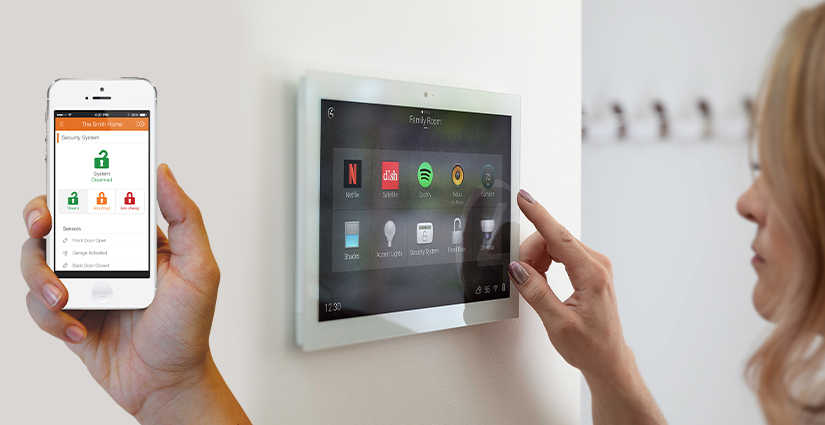
The modern home is changing rapidly. Where we once relied solely on deadbolts and watchful neighbors, we now have access to a suite of digital tools designed to monitor and protect our living spaces around the clock. Technology has transformed home security from a reactive measure into a proactive system that puts control directly in the hands of homeowners. This shift offers more than just fancy gadgets; it provides genuine peace of mind through enhanced visibility and automated responses.
The Evolution of Home Monitoring
Traditional alarm systems were often simple circuits. If a door opened while the system was armed, a loud siren would sound. While effective to a degree, these systems had limitations. They could not tell you what was happening, only that a breach occurred. Today, smart monitoring fills that information gap.
High-definition cameras now serve as the eyes of the home. These devices can stream live video directly to a smartphone, regardless of where the homeowner is located. You can check on your front porch from your office desk or monitor the backyard while on vacation. Many cameras include motion detection that distinguishes between a swaying tree branch and a person walking up the driveway, reducing false alarms and ensuring that alerts are meaningful.
Smart Entry and Access Control
Keys are easily lost, copied, or stolen. Smart locks address these vulnerabilities by digitizing access. With a smart lock, you can unlock your door via a mobile app, a keypad code, or even a fingerprint. This technology allows you to grant temporary access to guests or service providers without handing over a physical key. You can set a code that works only for a specific time window, ensuring that a dog walker or contractor cannot enter your home outside of scheduled hours.
Video doorbells complement these locks perfectly. They allow you to see and speak with whoever is at your door without opening it. This feature is particularly useful for deterring package theft or screening solicitors. The ability to answer the door remotely can make it appear as though someone is home even when the house is empty, adding an extra layer of deterrence.
Automated Lighting and Environmental Sensors
A dark house is an inviting target. Smart lighting systems allow you to control the ambiance and security of your property automatically. You can schedule lights to turn on and off at random intervals to simulate occupancy, making it difficult for observers to determine if the house is vacant. Motion-sensor lights can illuminate dark corners of your yard instantly if movement is detected, startling potential intruders and removing the cover of darkness.
Beyond theft and intrusion, homes face threats from environmental hazards like fire, carbon monoxide, and water leaks. Smart detectors take safety a step further than traditional alarms. Instead of just beeping loudly, a smart smoke detector can send an alert to your phone, notifying you of the danger even if you are miles away. Water leak sensors placed near washing machines or water heaters can detect moisture early, potentially saving thousands of dollars in water damage repairs.
Integration and Centralized Control
The true power of these devices lies in their ability to work together. A connected ecosystem allows different components to communicate. For example, if a smoke detector senses a fire, it can signal the smart thermostat to shut off the HVAC system to prevent fanning the flames, while simultaneously unlocking smart doors to aid evacuation.
Centralized hubs or apps bring all these controls into one interface. This unification simplifies management, allowing users to arm their security, lock doors, and turn off lights with a single command. While residential technology is the primary focus here, the principles of integrated monitoring are similar to complex security systems for businesses in North Dakota and other regions where asset protection is critical. The goal remains consistent: using data and automation to create a safer environment.
Data Privacy and Network Security
As homes become smarter, securing the digital network becomes as important as securing the physical doors. Every connected device represents a potential entry point for cyber threats. Protecting your smart home requires strong, unique passwords for every account and device. Default passwords should always be changed immediately upon installation.
Regular software updates are vital. Manufacturers release updates to patch security vulnerabilities, so keeping firmware current is a necessary habit. Additionally, utilizing a secure Wi-Fi network with encryption prevents unauthorized users from intercepting the data streaming from cameras or accessing smart lock controls.
Building a Layered Defense
Technology should not replace common sense but rather enhance it. The most effective security strategy is a layered one. Strong physical locks, good lighting, and sturdy doors form the foundation. Smart devices add intelligence and remote management to that foundation. By combining traditional physical security with modern digital tools, homeowners can create a robust barrier against threats.
Investing in smart home security is an investment in safety and convenience. It transforms the home from a passive structure into an active defender, constantly monitoring and ready to alert you to any changes. With the right tools in place, you can rest easier knowing that your sanctuary is well-protected.