6 Creative Ways Businesses Use LCD Video Brochures to Capture Attention

In 2026, the fusion of tactile print and high-definition digital content has redefined B2B marketing. LCD video brochures bridge the gap between digital fatigue and physical engagement, offering a higher retention rate compared to standard email campaigns.
The modern marketing landscape is saturated with digital noise, making it harder than ever to secure a minute of a decision-maker’s time. As of 2026, businesses are pivoting back toward ‘high-touch’ physical assets that demand immediate attention upon arrival.
The LCD video brochure has emerged as the premier tool for this hybrid strategy. By embedding a thin, high-resolution screen into premium cardstock, brands can deliver a cinematic experience directly into the hands of their prospects.
Why Shift to LCD Video Brochures from Traditional Printed Brochures?
Here is a table that explains why there has been a shift from traditional printed brochures to modern video brochures:
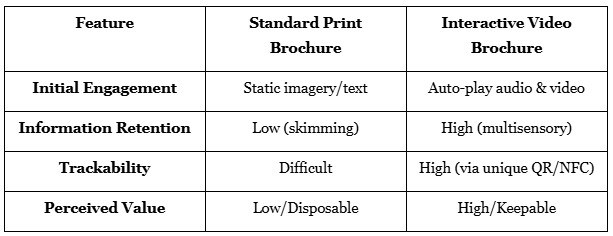
Understanding the primary differences between traditional paper brochures and modern video brochures
Now that we have understood why video brochures have made a mark in today’s business landscape, let’s find out the different ways business owners use them to attract customer attention.
How Do Businesses Make Use of LCD Video Brochures for Advertising?
Here are the top 6 ways in which business owners use LCD brochures to grab customer attention:
1. High-Ticket B2B Sales Outreach
For sales teams targeting C-level executives, a cold email is easily ignored. A personalized video in a card serves as a ‘pattern interrupt’ that physicalizes the digital pitch.
Top-performing firms now use AI-generated personalized intros to address the recipient by name within the video. This level of customization ensures the package is opened and viewed rather than discarded with the daily mail.
2. Luxury Real Estate Virtual Tours
Static photos cannot capture the flow or feeling of a multi-million dollar property. Real estate developers are now using video brochures to provide immersive walk-throughs to international investors.
The physical weight of the brochure conveys a sense of luxury that a link to a YouTube video lacks. It allows the prospect to experience the property’s lighting, soundscape, and scale from their own boardroom.
3. Medical Device Demonstrations
The medical field often involves complex machinery that requires specific operational knowledge. Manufacturers use the LCD video brochure to provide instant training modules that ship alongside the equipment.
Video brochures are helpful in this scenario because of:
- Step-by-Step Clarity: Provides visual guidance for assembly or calibration
- Product Embedding: Many 2026 designs allow for physical samples (like syringes or sensors) to be built into the card
- Compliance: Ensures the correct safety messaging is delivered every time the box is opened
4. Recruitment and Executive Search
Attracting top-tier talent in 2026 requires more than a job description. High-growth tech companies send video-embedded welcome packages to ‘white whale’ candidates to showcase company culture and leadership vision.
A video in a card allows the CEO to speak directly to the candidate about the company’s future. This tactile approach signals that the company is willing to invest significantly in the individual from day one.
5. VIP Event and Gala Invitations
For exclusive product launches or charity galas, a paper invitation is no longer the gold standard. Businesses are using multi-page video folders that play different ‘chapters’ as the recipient turns the page.
One page might show the event’s location, while the next displays a personal message from the host. This interactive experience builds anticipation and significantly reduces ‘no-show’ rates for high-profile events.
6. Interactive Product Unboxing
The ‘unboxing’ trend has moved from social media into the corporate world. Brands use an LCD video brochure integrated into the lid of a gift box to explain a product’s features as the user sees it for the first time.
This creates a guided first impression that removes confusion and increases product understanding instantly. It also turns a standard delivery into a memorable brand experience, encouraging customers to share it on social media.
Is There a Strategic Advantage of Using Video in a Card?
The primary strength of this medium is its ability to bypass the ‘gatekeeper.’ An executive’s assistant is far more likely to pass along a high-quality physical box or card than a standard letter or postcard.
With passing time, the cost of these devices has decreased while the quality of the LCD screens has reached retina-level clarity. This makes them a viable option for mid-sized businesses, not just global corporations with massive budgets.
LCD video brochures work so well because:
- Higher attention retention than digital ads
- Combines physical + digital engagement
- Ideal for premium B2B outreach
- Creates a memorable brand experience
Here are some of the industries that use video brochures:
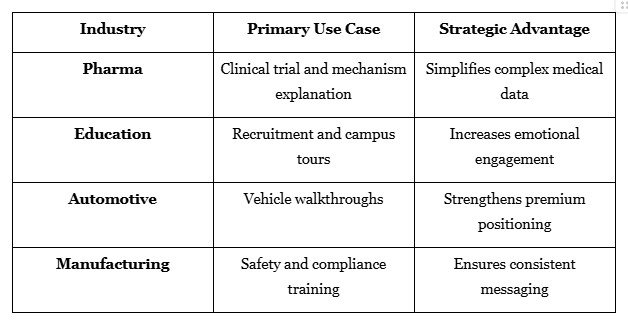
How different industries use LCD video brochures for advertising
Invest in This Modern Form of Advertising and See the Difference in Results!
As digital advertising costs continue to rise, the ROI of a physical LCD video brochure becomes increasingly clear. It provides a dedicated, distraction-free environment for your most important brand stories. By combining the emotional power of video with the prestige of premium print, businesses can capture and hold attention in a way that digital-only channels simply cannot match. Whether for sales, training, or luxury invites, the physical-digital hybrid is the future of impactful communication.
So, find a reliable online site where you can get video cards and order your requirements without further ado!