
Live Game Show Bonus Round Mechanics: Triggers, Multiplier Chains, and Qualifying Bet Strategy
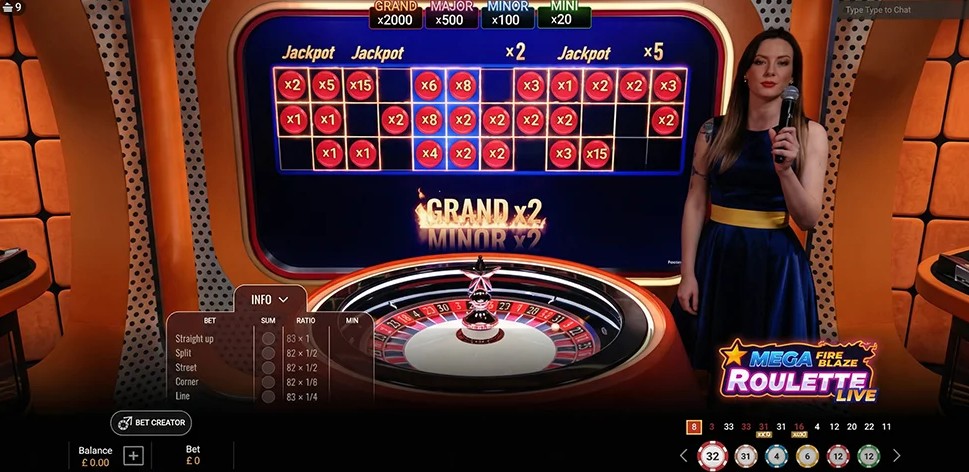
A live game show bonus round is a discrete sub-game, nested inside the main wheel spin, that pays out only when a specific wheel segment lands and the player has a qualifying bet on it. Understanding exactly how each layer works changes how you distribute stake across a session.
How Bonus Rounds Are Triggered and How Often They Fire
Trigger probability is the first number worth knowing. In Evolution Gaming’s Crazy Time, the four bonus games (Cash Hunt, Pachinko, Coin Flip, and Crazy Time) occupy 9 of the wheel’s 54 segments combined, putting the collective bonus-trigger probability at exactly 16.67% per spin, roughly one bonus event every six spins on average. That figure feels frequent until you account for the fact that each of those 9 segments belongs to a different bonus, so any individual bonus fires far less often. Pachinko, for instance, covers 2 segments, giving it a standalone trigger rate under 4%.
Frequency alone does not determine value, though. The wheel in Ice Fishing by Evolution applies pre-spin random multipliers ranging from 2x to 10x on certain segments, and the session math shifts dramatically depending on which multiplier attaches to which segment. Several platforms, including Pinko, carry the full Evolution live game show catalogue, allowing players to compare multiplier ranges and bonus frequencies across titles before committing stake to any one of them. Only when a 10x lands specifically on a Huge Reds segment does the game create conditions for the 5,000x maximum payout, and that convergence is rare by design, which is why reviewing the theoretical ceiling of a bonus against its actual trigger rate matters before you commit stake to it.
How Multiplier Chains Are Structured Inside Bonus Rooms
Tiered Multiplier Ranges Across Bonus Types
Multiplier architecture varies considerably between bonus rooms. Ice Fishing uses three tiered fish segments with escalating ranges: Lil’ Blues pay 3x to 50x, Big Oranges pay 10x to 200x, and Huge Reds pay 50x to 500x before any pre-spin modifier is applied. This tiered design means the bonus room itself contains internal variance, not a flat multiplier, so landing the bonus trigger is only the first variable, which fish you catch inside the room is the second.
The Top Slot Overlay and Its Effect on Bonus Payouts
Crazy Time’s Top Slot mechanic adds a separate multiplier layer before the main wheel even spins. Each round, the Top Slot assigns a value between 2x and 50x to one specific bet segment. If the wheel lands on that same segment and it happens to be a bonus sector, the entire bonus room payout is multiplied by the Top Slot value before it reaches the player. A 50x Top Slot on the Crazy Time bonus segment is the scenario responsible for the game‘s headline payouts, yet both events must align independently, making it a compound probability event rather than a single lucky spin.
What this overlay structure means in practical terms: the expected value of a bonus segment bet is not fixed but fluctuates every spin based on which segment the Top Slot is enhancing. Tracking that segment before placing your bet is a concrete, actionable step, not a vague suggestion.
Qualifying Bet Rules and How to Factor Them Into Session Strategy
Qualifying bets are the mechanism most players underestimate. In Crazy Time, only players who placed a bet on the triggering bonus sector enter the bonus room and receive a payout, a player betting exclusively on number segments gets nothing when a bonus fires. This creates a direct stake-allocation decision every round: spread across number segments for consistent small returns, concentrate on bonus sectors for infrequent but larger outcomes, or split stake between both and accept a blended result. None of these is universally correct; the right split depends on your session length and variance tolerance.
RTP figures sharpen this decision. Crazy Time’s RTP ranges from 96.08% on the number 1 segment down to 94.41% on the Crazy Time bonus segment, a spread of 1.67 percentage points. Chasing the highest-volatility bonus segment costs you nearly two percentage points of theoretical return compared to the safest number bet. Over a short session that gap is noise, but across hundreds of rounds it compounds into a measurable difference in expected loss rate.
- Crazy Time (Evolution): 4 bonus types, 9/54 segments, combined trigger rate 16.67%
- Top Slot overlay: 2x to 50x multiplier assigned pre-spin to one segment
- Ice Fishing tiers: Lil’ Blues 3x, 50x, Big Oranges 10x, 200x, Huge Reds 50x, 500x
- RTP spread in Crazy Time: 96.08% (number 1) to 94.41% (Crazy Time bonus)
- Max payout condition (Ice Fishing): requires 10x pre-spin multiplier on a Huge Reds segment
Factoring all three layers, trigger probability, internal multiplier range, and RTP by segment, into a single session plan is what separates structured play from guesswork. Allocate the largest portion of your per-round stake to the segment with the RTP closest to the title’s ceiling, use a smaller slice on one bonus sector to capture upside, and set a clear session budget before the first spin. Adjusting stake distribution mid-session based on Top Slot positions each round is the one live variable you can actually act on in real time.

Mamie I. Hernandez is a pop culture enthusiast and researcher with a keen eye for uncovering the stories behind the stars. At CelebsBrief.com, she specializes in crafting engaging celebrity biographies and breaking down net worth insights, all with clarity and accuracy. When she’s not diving into the lives of Hollywood’s biggest names, Mamie enjoys exploring trends in media, fashion, and entertainment.