
How Online Gaming Became a Shared World for Modern Entertainment
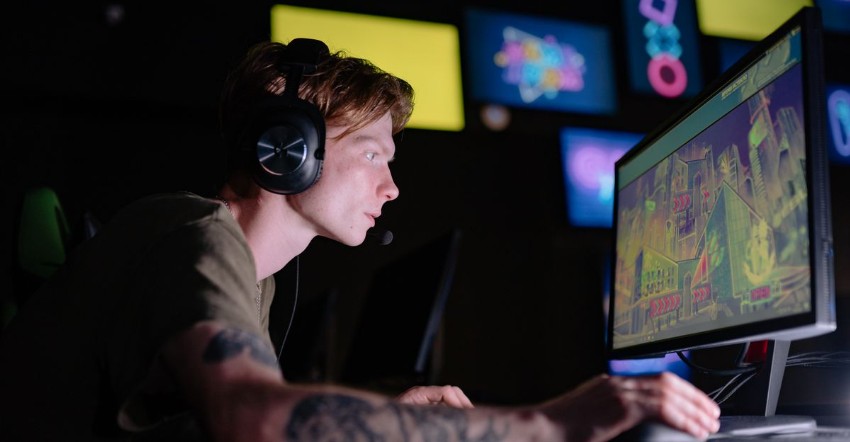
How did online gaming turn into a shared form of modern entertainment?
The answer starts with access. As internet connections became faster and more common, games stopped being fixed to one room, one device, or one schedule. People could play with friends across town, strangers across countries, or family members who were not even in the same time zone.
That shift changed gaming from a private pastime into a social habit. It now sits beside music, film, and streaming as a regular way people spend free time, talk to each other, and build communities around shared play.
From Local Play To Connected Play
Online gaming began by linking players who were already used to competition and cooperation.
Distance Stopped Mattering
Early multiplayer games showed that people did not need to share a couch to share an experience. A player could face an opponent miles away and still feel the same tension, timing, and satisfaction that local play created. That basic change made games feel larger without changing their core purpose.
As matchmaking systems improved, people could find opponents or teammates faster and with less effort. The result was a new habit: logging in to play with others became as normal as turning on a television. The routine mattered because habits create culture, and culture shapes entertainment.
Shared Rules Built Shared Moments
Online games work because everyone follows the same rules at the same time. That simple structure creates stories people can remember and retell. A close finish, a missed move, or a clever tactic becomes part of a group memory, even if the players never meet in person.
That social memory is why a slot format can still draw interest inside broader gaming talk. The appeal is not only the result on screen, but the suspense that people can compare, react to, and discuss together.
Social Features Changed The Experience
Communication tools made online gaming feel less like isolated play and more like a shared hangout.
Voice Chat And Text Chat Added Real Time Reaction
Once players could speak or message while playing, games became faster to coordinate and easier to share. People could warn teammates, joke after a mistake, or celebrate a win at the exact moment it happened. That live reaction gave games the feel of a group activity instead of a solo task.
This also changed the tone of play. A match became part strategy, part conversation, and part social performance. Players were not only trying to win; they were also building trust, rhythm, and a sense of team identity through constant communication.
Friend Lists Kept Groups Together
Friend systems made it easier to return to the same people again and again. That repetition matters because repeated contact builds familiarity, and familiarity makes entertainment feel personal. A player is more likely to come back when the session includes known names and shared habits.
Because of that, online gaming started to function like a regular meeting place. People did not need a formal plan every time. They could log in, see who was around, and pick up right where they left off.
Streaming Turned Play Into Public Entertainment
Watching games became as normal as playing them, and that widened the audience fast.
Players Became Performers
Live streaming added a public layer to gaming. A session was no longer just something a player experienced personally. It could now be watched, discussed, and reacted to by a larger audience in real time. That visibility made gaming part of everyday media habits.
Audiences often enjoy the mix of skill, surprise, and personality that live play provides. A viewer is not just seeing a score line. They are seeing decision-making, improvisation, and reaction under pressure, which gives each moment a human angle.
Communities Formed Around Shared Viewing
As more people watched gaming, comment sections and chat rooms turned into social spaces of their own. Viewers could compare opinions, predict outcomes, and react to highlights together. That shared viewing experience helped gaming move beyond the person holding the controller.
The rise of slot gacor talk shows how online gaming language also spreads through communities that care about timing, patterns, and results. Shared terms give players a common voice, which makes the experience feel collective even before a match begins.
Mobile Access Put Gaming Into Daily Life
Phone-based play made online gaming easier to fit into ordinary routines.
Short Sessions Still Felt Social
Mobile access changed the time commitment. People no longer needed a long block of free time to join others in play. They could complete a quick session during a break, on a commute, or while waiting for something else. That flexibility widened the audience far beyond dedicated players.
Because mobile play is always close at hand, it also keeps people connected to game communities throughout the day. Messages, rewards, and invitations can arrive at any moment, which helps gaming stay present in everyday life instead of only appearing at night or on weekends.
Simple Entry Brought More People In
Mobile gaming lowered the barrier for first-time players. Many people who would never buy a console or build a computer still joined online play through a phone they already owned. That wider access made gaming feel less specialized and more like a normal part of entertainment.
Once people had a way in, many stayed because the social side was easy to understand. Shared rounds, quick reactions, and familiar interfaces made the activity feel welcoming, even for people who were not long-time players.
Final Thoughts
Online gaming now sits in the middle of how people play, watch, and talk. That mix is what made it such a shared form of modern entertainment. It gives people something to do, something to watch, and something to talk about, all through the same medium. Because of that, online gaming now acts less like a niche hobby and more like a common social language.