Why Learning to Create Animations Is a Game-Changer for Digital Content
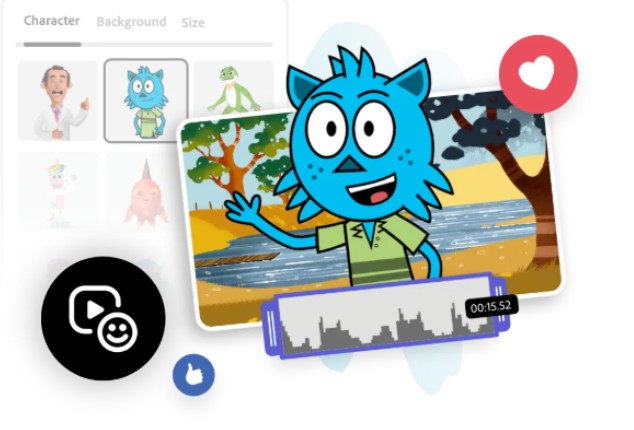
In a world where attention spans are shrinking, static content often struggles to stand out. Whether it’s marketing, education, social media, or presentations, audiences are drawn to movement. That’s why more creators and businesses are choosing to create animations instead of relying only on text or still images. Animation adds energy, clarity, and emotion to digital communication.
When you create animations, you don’t just decorate content -you guide the viewer’s focus. Motion helps explain ideas, show processes, and emphasize key messages in a way that feels natural and engaging. Even simple animated elements can significantly improve how information is understood and remembered.
As digital platforms evolve, animation is no longer a “nice to have” skill. It’s becoming an essential tool for anyone who wants to communicate effectively online.
Why Animation Captures Attention
The human brain is wired to notice movement. Animation instantly draws the eye and keeps viewers engaged longer than static visuals. This is why animated content often performs better in terms of:
- Engagement
- Watch time
- Message retention
- Click-through rates
Even subtle animations -like transitions, icons, or highlighted elements -can make content feel more dynamic and professional.
Making Complex Ideas Easier to Understand
One of the biggest advantages of animation is its ability to simplify complexity. When you create animations, you can visually break down ideas that are hard to explain with words alone.
Animation is especially effective for:
- Explaining processes or workflows
- Showing cause-and-effect relationships
- Demonstrating how a product works
- Teaching abstract or technical concepts
Instead of overwhelming your audience with information, animation guides them step by step.
Boosting Engagement Across Digital Platforms
Animated content performs well across nearly all digital channels, including:
- Websites
- Social media
- Email campaigns
- Online courses
- Presentations
Short animations are especially effective on platforms like Instagram, TikTok, LinkedIn, and YouTube, where movement increases the likelihood that users stop scrolling and pay attention.
Strengthening Storytelling
Stories are more powerful when they move -literally. Animation allows creators to control pacing, emotion, and emphasis. When you create animations as part of a story, you can:
- Build anticipation
- Highlight key moments
- Create smooth transitions
- Reinforce emotional impact
This makes storytelling more immersive and memorable for the audience.
Improving Brand Identity
Consistent animation styles help reinforce brand identity. Colors, motion patterns, typography, and timing all contribute to how a brand feels.
Brands that use animation consistently appear:
- More modern
- More professional
- More recognizable
- More engaging
Over time, audiences begin to associate certain motion styles with specific brands, strengthening brand recall.
Supporting Learning and Education
In education, animation plays a crucial role in keeping learners engaged. Animated visuals help explain topics more clearly and reduce cognitive overload.
Educators use animation to:
- Visualize scientific processes
- Explain mathematical concepts
- Teach language structures
- Demonstrate historical timelines
Students are more likely to understand and remember animated explanations compared to static ones.
Making Presentations More Impactful
Presentations often fail not because of weak content, but because of dull delivery. Animation transforms presentations by:
- Guiding audience attention
- Highlighting key points
- Creating smooth slide transitions
- Making data easier to interpret
When used thoughtfully, animation enhances clarity without distracting from the message.
Lowering the Barrier to Creativity
In the past, animation required advanced software and technical skills. Today, modern tools allow beginners to create animations quickly and intuitively.
This accessibility empowers:
- Small businesses
- Students
- Teachers
- Content creators
- Non-designers
More people can now express ideas visually without relying on expensive production teams.
Encouraging Interaction and Engagement
Animated content encourages viewers to interact -whether that means clicking, watching longer, or sharing. Interactive animations can guide users through experiences rather than forcing them to read instructions.
This is especially effective in:
- Product demos
- Onboarding content
- Tutorials
- Landing pages
Saving Time While Increasing Impact
Once created, animations can be reused across multiple platforms and campaigns. A single animation can serve as:
- A social media post
- A presentation visual
- A website explainer
- Part of an email campaign
This makes animation a high-impact, long-term content investment.
Content creators can combine animations with a meme creator online to increase engagement and content shareability.
The Future of Digital Communication
As digital experiences become more visual and interactive, animation will continue to grow in importance. Future trends include:
- Micro-animations for UX
- Data-driven animations
- AI-assisted animation creation
- Personalized animated content
Those who learn to create animations now will be better positioned to communicate effectively in the future.
Conclusion: Motion Brings Ideas to Life
Animation is no longer reserved for cartoons or entertainment -it’s a core communication tool. When you create animations, you bring clarity, emotion, and energy to your message.
Whether you’re teaching, selling, presenting, or storytelling, animation helps your content stand out and connect with audiences on a deeper level. In a world full of noise, movement is what makes ideas come alive.