Honoring Loved Ones Through Music: Creating Meaningful Tributes
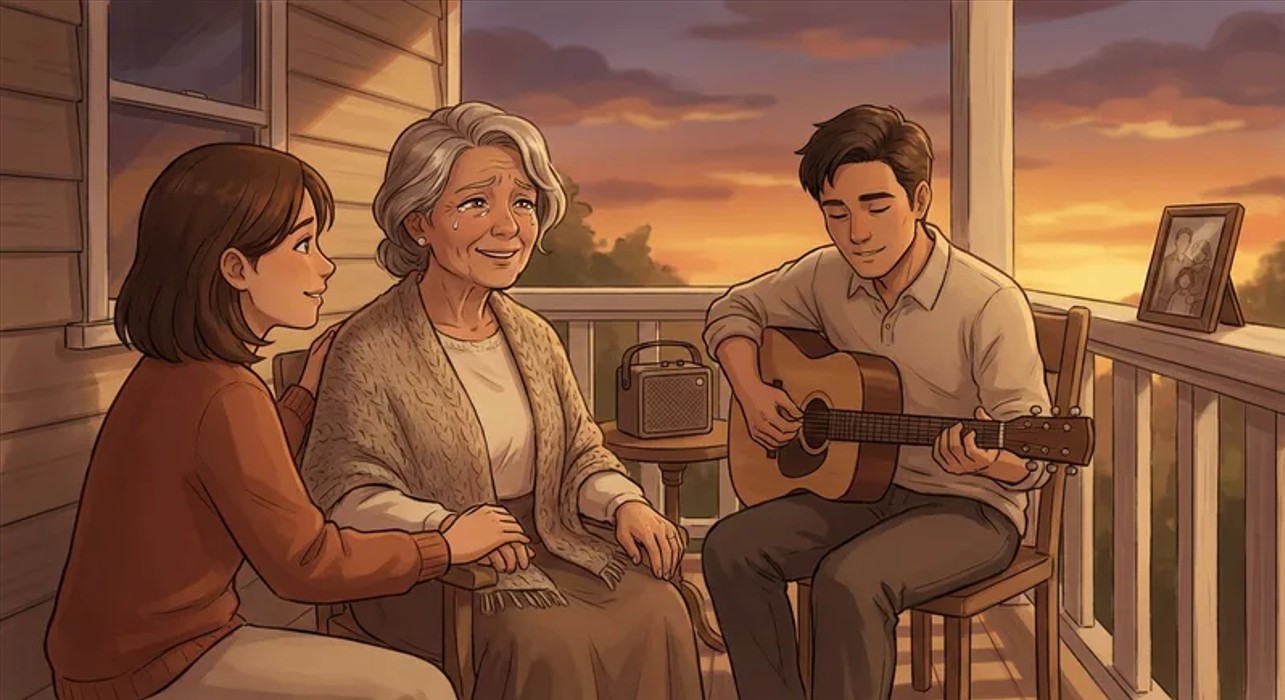
Music has a unique ability to reach our hearts during times of grief, offering comfort, healing, and a way to commemorate the personalities and legacies of those we have lost. Whether chosen for private remembrance or shared at public gatherings, music helps channel our emotions and create a lasting connection. For families seeking new ways to commemorate those they’ve lost, one meaningful option is to make a tribute gift that supports music education programs, extending the power of music to future generations.
Throughout history and across cultures, music has played a central role in rituals of remembrance. Whether in a small living room with family and friends, or at a large community memorial, the right song can speak volumes when words alone aren’t enough. The experience of choosing or composing music to honor a loved one is deeply personal. It can represent cherished memories, express shared emotions, and even inspire others who are navigating similar experiences of loss. In these moments, music becomes both a tribute and a vessel for hope. For readers interested in the psychological role of music in processing grief, the American Psychological Association highlights several ways in which music can facilitate healing and provide communal support during mourning rituals.
The Healing Power of Music
Music’s influence on the mind and spirit is profound. Research has shown that music can reduce cortisol levels, providing relief from stress and anxiety. When people grieve, listening to or playing music can help them process loss in ways that feel both safe and natural. The familiarity of a favorite song or the soothing tones of an instrumental piece invites reflection, opening avenues for both crying and comfort. Music can foster emotional release when expressions of grief feel too raw to voice aloud. In addition, listening to carefully selected songs can create a peaceful atmosphere that supports healing over time and enables gentle remembrance on anniversaries or special occasions.
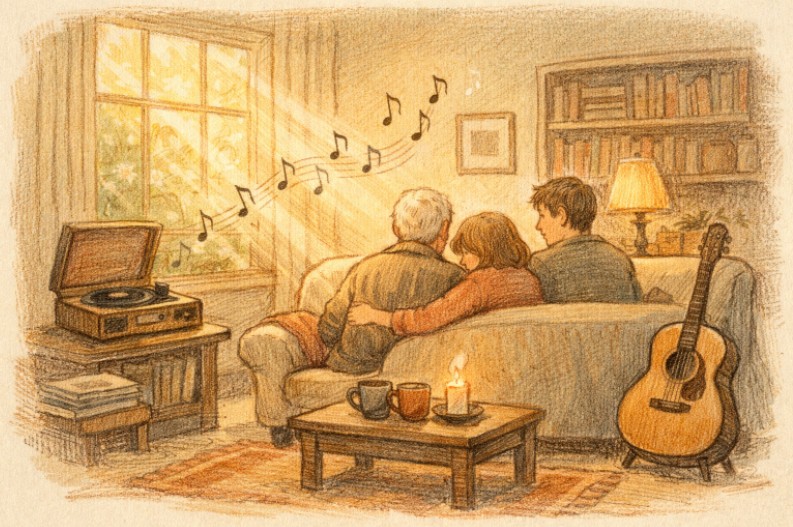
Personalized Musical Tributes
Creating a musical tribute is an intimate way of honoring a loved one’s memory. The options are as varied and personal as the memories themselves. Some methods for crafting unique tributes include:
- Composing an original song that tells the story of the person’s life or their positive influence.
- Performing a meaningful piece at a memorial service, either live or via recorded message.
- Curating a playlist of songs that held special significance during their lifetime, which can be shared with family and friends.
One touching example took place in 2022, when 12-year-old Nandi Bushell wrote and performed “The Shadows” to honor her father’s health battles. Her act of love resonated with audiences worldwide, highlighting how even young people can find solace and purpose in musical expression.
Community and Public Memorials
Music has a unifying power, especially when communities grieve together. Public memorials often feature performances that reflect the collective spirit and sorrow of the group. One notable occurrence happened after the 2019 shooting in El Paso, Texas, when a mariachi band played “Amor Eterno” at a vigil. The song, rooted in Mexican heritage, provided solace and healing for attendees, weaving together shared loss and resilience.
Creating a Musical Legacy
For some families, the journey of remembrance continues through the establishment of a musical legacy. Initiatives that both honor the individual and support others can include:
- Creating scholarships or awards for young musicians in your community.
- Donating instruments to schools or nonprofits, ensuring the gift of music endures.
- Organizing recurring concerts or benefit events centered on the person’s favorite genre or artists.
These acts not only memorialize a loved one but also have a lasting positive impact on the broader community, passing on the comfort and inspiration that music provides. Even small gestures, like supporting a local youth band or music workshop in someone’s name, grant a sense of purpose.
Choosing the Right Music
Selecting appropriate pieces is one of the most important aspects of any musical tribute. To guide your choices, consider these steps:
- Think about the musical tastes and favorite genres of the person you are remembering.
- Pick songs or compositions tied to significant life milestones, shared recollections, or powerful emotions.
- Examine the tone and the lyrics, ensuring that they align with the story you want to tell.
- Decide whether your tribute will be a live performance, a professionally produced recording, or a shared digital playlist.
Involving Family and Friends
The process of remembering through music becomes more meaningful when loved ones collaborate. Ways to include family and friends might be:
- Jointly selecting songs or contributing to a shared playlist.
- Participating in singing, playing instruments, or reading lyrics aloud during a memorial service.
- Sharing anecdotes, messages, or visuals that complement the chosen music, creating a multimedia celebration of the person’s life.
This collective involvement strengthens bonds and fosters an atmosphere of shared remembrance, bringing everyone together in support and reflection. Even encouraging remote contributions from those who cannot attend in person ensures broader involvement and heartfelt tributes.
Professional Assistance
In some cases, working with professionals can help bring your musical tribute to life. Musicians, composers, and event planners often offer services such as:
- Arranging and performing selected music appropriate for the occasion.
- Providing audio or video production expertise to ensure high quality and enduring tributes.
- Coordinating memorial events, including all logistical elements, to allow families to focus on their personal healing journey.
Professional support can alleviate stress, especially during difficult periods, helping ensure that your tribute is memorable and heartfelt.
Conclusion
Music has an enduring ability to heal, comfort, and unite. Honoring loved ones through musical tributes, whether they are private songs, public performances, or ongoing legacies, ensures that their memory not only lives on but continues to inspire. Through thoughtful selection and collaboration, the language of music helps us say what words cannot, preserving cherished lives and the emotions they inspire for generations to come. Embracing music as a tribute also nurtures the ongoing process of healing and remembrance, reaching across time with notes of love and gratitude.