
Signs Your Child May Need Advanced Tooth Care
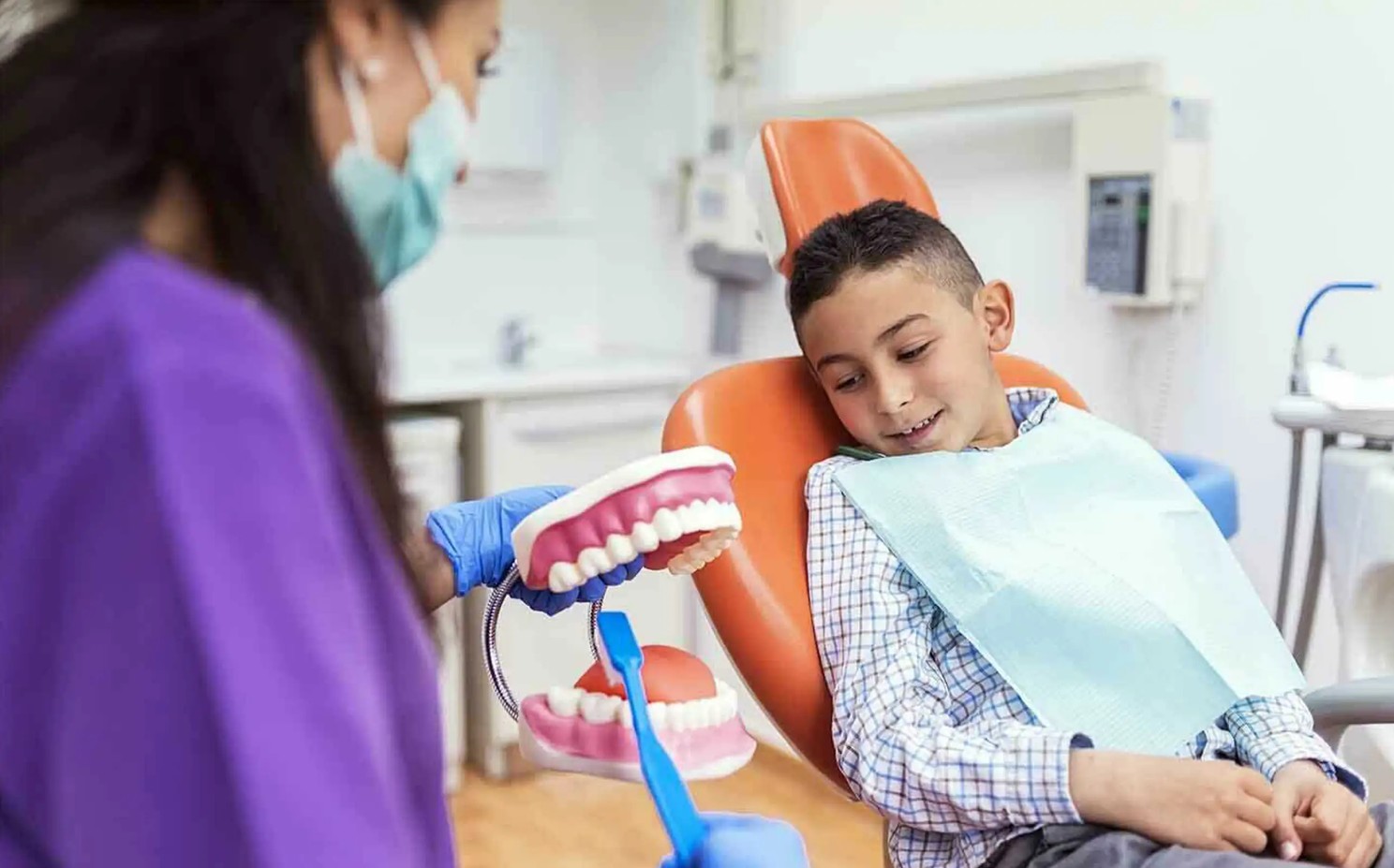
A child’s dental health is crucial for their overall well-being and development. While regular checkups and cleanings are usually enough to maintain a healthy smile, some situations require more advanced care. Recognizing the warning signs early can help parents prevent minor issues from becoming serious problems. This article will explore common indicators that your child may need advanced dental treatment, explain what these signs mean, and highlight why prompt attention is vital for long-term oral health.
Persistent Tooth Pain or Sensitivity
Ongoing tooth pain is a clear indicator that your child may need professional attention. If a toothache persists, it shouldn’t be ignored, as sensitivity to hot, cold, or sweet foods often points to deeper issues. Pain lasting more than a day or two may signal an infection or damage to the tooth’s interior. Seeking advanced care promptly can relieve discomfort and prevent the issue from spreading to surrounding teeth and gums.
Swelling or Redness Around the Gums
Swollen, red, or tender gums around a tooth may indicate an infection. You might notice puffiness, a small bump, or drainage near the gum line, suggesting the issue could extend beneath the surface. In children, infections can develop quickly, so early treatment is essential to prevent complications and promote proper healing.
Darkened or Discolored Teeth
Tooth discoloration can be a sign that advanced care is needed. A tooth that appears gray, brown, or darker than the surrounding teeth may indicate nerve damage or reduced blood flow. This type of discoloration isn’t just a cosmetic issue—it often signals internal problems that require professional evaluation and treatment to prevent further damage.
Difficulty Chewing or Avoiding Certain Foods
Children don’t always communicate dental pain clearly, but their behavior can offer clues. If your child avoids chewing on one side, refuses certain foods, or eats more slowly than usual, they may be experiencing discomfort. These habits often develop when chewing causes pain. Advanced dental care can identify the underlying cause and restore comfortable eating.
A History of Deep Cavities or Dental Trauma
Children with a history of deep cavities or dental trauma are often candidates for advanced treatment. Falls, sports injuries, or untreated decay can damage a tooth’s inner structure. Even baby teeth are vital, as they guide jaw development and hold space for permanent teeth. Preserving them through specialized care ensures healthy long-term alignment and oral health.
Frequent Complaints of Jaw or Facial Pain
Pain extending beyond a single tooth often signals a more complex problem. If your child experiences jaw soreness, facial discomfort, or headaches related to chewing, it could point to an underlying dental issue. Advanced dental care can identify the root cause and provide targeted solutions to improve oral health and overall comfort.
Why Advanced Care Matters for Children
Advanced dental care isn’t just about addressing pain—it’s about preventing future problems that can impact speech, nutrition, and confidence. Early treatment protects surrounding teeth and supports healthy oral development. In some cases, a pediatric dentist specializing in root canals in Oregon City may recommend saving a damaged tooth instead of removing it. Preserving the natural tooth structure can prevent the need for more extensive procedures down the line.
The Importance of Early Evaluation
Delaying dental care can lead to unnecessary pain and more complex treatments. Because children’s teeth and jaws are still growing, early evaluation is vital. Timely intervention allows families to address small issues before they become major health challenges. By maintaining regular contact with a dental professional, parents can stay informed and make the best decisions for their child’s long-term oral health.
Supporting Your Child Through Treatment
While advanced dental care can seem daunting, modern pediatric dentistry prioritizes a comfortable, reassuring experience. Using clear explanations and gentle techniques within a supportive environment helps children feel at ease. Parents can help by remaining calm, answering questions honestly, and encouraging positive habits at home. This collaborative approach builds long-term trust and confidence in dental visits.
Conclusion
Recognizing the signs that your child might need advanced dental care helps you act early and protect their smile. Persistent pain, swelling, discoloration, and changes in behavior should always be taken seriously. With timely evaluation and proper treatment, many dental issues can be resolved effectively. Staying informed and proactive is the best way to ensure your child maintains a healthy smile as they grow.