Growing Happy Minds: Teaching Kids Self-Care Early

We often romanticize childhood as a carefree time of play. But for many kids, the reality is different. Modern childhood brings pressure—academics, social dynamics, and digital noise. Just like adults, children can face burnout, anxiety, and exhaustion. Teaching them to manage these stressors early is essential for their long-term well-being and resilience.
Demystifying Self-Care for Little Ones
Before you can teach it, you have to define it. For many adults, “self-care” conjures images of spa days, expensive retreats, or treating oneself to a decadent dessert. While those things can be nice, the definition we pass on to our children needs to be more fundamental and accessible.
At its core, self-care is simply the practice of checking in with yourself and doing what is necessary to remain healthy and balanced. It is the conscious act of taking care of your physical, emotional, and mental health.
For a child, this definition needs to be concrete. You might explain it as “charging your battery.” Just like a tablet or a toy needs to be charged to work properly, our bodies and brains need recharging too. Self-care is how we plug in. It encompasses everything from eating a nutritious snack when hungry to taking a few deep breaths when angry, or asking for a hug when sad. It is the brave act of recognizing what you need and taking steps to meet that need.
Why Self-Care Matters for Developing Minds
The benefits of establishing these habits early go far beyond simply having a relaxed child in the evenings. The psychological and physiological advantages are profound and long-lasting.
Improved Mental Health and Emotional Regulation
Children who understand self-care are better equipped to manage their emotions. When a child learns to identify that they are feeling overwhelmed and knows that stepping away for a quiet moment can help, they are practicing emotional regulation. This reduces the frequency of meltdowns and lowers anxiety levels. Instead of being swept away by big feelings, they have a strategy to handle them.
Enhanced Concentration and Focus
A well-rested, well-nourished, and emotionally balanced brain is a brain ready to learn. Burnout kills concentration, even in elementary school. By prioritizing rest and mental breaks, children can return to their homework or hobbies with renewed focus. Understanding that it is okay to take a break actually improves productivity and learning outcomes in the long run.
Building Resilience
Life is full of setbacks. A bad grade, a fight with a friend, or a missed goal can feel catastrophic to a young person. Self-care teaches resilience by showing children how to soothe themselves and bounce back. It reinforces the idea that while they cannot control everything that happens to them, they can control how they treat themselves in the aftermath.
A Toolkit of Practical Activities
Self-care looks different for every child. Some recharge through quiet solitude, while others need physical movement to release tension. Here is a diverse list of age-appropriate activities to help your child discover what works for them.
Physical Self-Care
- Active Play: Sometimes, the best way to reset is to sweat. Riding a bike, jumping on a trampoline, or playing tag can release endorphins and reduce stress hormones.
- Restful Sleep Hygiene: Creating a calming bedtime ritual—like a warm bath or a specific story—signals to the body that it is time to rest.
- Healthy Fueling: Involving kids in choosing healthy snacks helps them connect food with how their body feels. “Does this apple give you energy to play?”
Creative and Intellectual Self-Care
- Reading for Pleasure: Not for school, but for fun. Getting lost in a story is a fantastic way to decompress and take a mental vacation.
- Artistic Expression: Drawing, coloring, or playing with clay allows children to express emotions they might not have the vocabulary for yet.
- Journaling: For older children, writing down thoughts can be a powerful way to process the day’s events.
Emotional and Mindfulness Self-Care
- The “Five Senses” Exercise: If a child is anxious, ask them to name five things they see, four they feel, three they hear, two they smell, and one they taste. This grounds them in the present moment.
- Deep Breathing: Teach them “balloon breathing“—imagining a balloon in their belly that inflates when they inhale and deflates when they exhale.
- Positive Affirmations: Starting the day by looking in the mirror and saying, “I am kind,” or “I can handle hard things,” builds positive self-talk.
How Parents Can Champion Self-Care
You cannot teach what you do not know, and you cannot lead where you do not go. The most powerful way to teach self-care is to model it.
If you are constantly running on fumes, skipping meals, and speaking negatively about yourself, your child will absorb those habits. They are observant little anthropologists, studying your every move. Let them see you sitting down with a cup of tea for five minutes because you “need a reset.” Let them hear you say, “I had a hard day, so I’m going to go for a walk to feel better.”
Beyond modeling, support their journey by building it into the family routine. Make self-care a non-negotiable part of the schedule, just like brushing teeth. You can create a “Calm Down Corner” in the house filled with soft pillows, books, and sensory toys, where they can go when they need space.
Most importantly, validate their choices. If your child says they don’t want to go to a friend’s birthday party because they are too tired, praise them for listening to their body (even if you worry they might miss out). This reinforces that their internal signals are valid and trustworthy.
Navigating Common Obstacles
Implementing these routines isn’t always smooth sailing. Here are some common hurdles parents face and how to clear them.
“I Don’t Have Time”
Families are busier than ever. Between soccer practice, piano lessons, and homework, finding time for “one more thing” feels impossible.
The Solution: Micro-moments. Self-care doesn’t need to take an hour. It can be two minutes of deep breathing in the car on the way to school, or three minutes of stretching before bed. Focus on quality and consistency rather than duration.
Resistance to “Boring” Self-Care
Children often confuse self-care with self-indulgence. They might think self-care means eating ice cream or playing video games all day. They may resist the necessary maintenance aspects of caring for themselves.
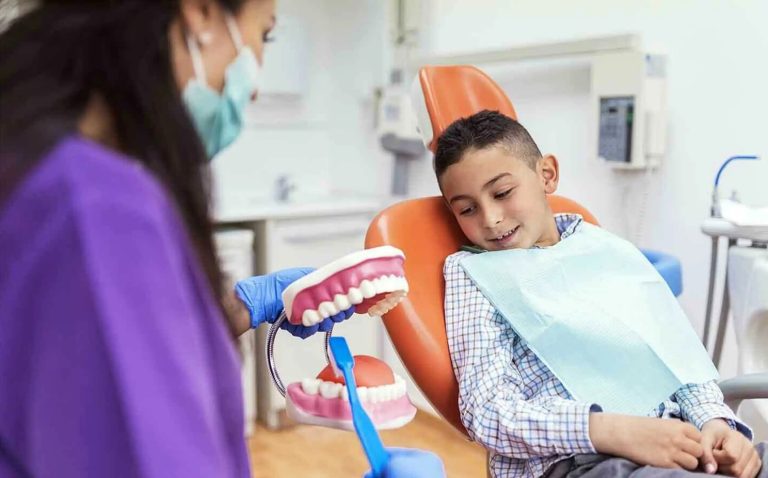
The Solution: Reframe the narrative. Help them understand that self-care means doing things that help “Future You.” This is crucial for medical hygiene. For instance, many children fear medical appointments, but visiting the kids’ dentist, such as those available in South Jordan, is a prime example of self-care. It might not be fun in the dentist’s chair, but it is an act of caring for their teeth so they can eat and smile without pain later. Framing these challenging tasks as acts of kindness toward their own bodies can help reduce resistance.
Guilt (The Parent Trap)
Parents often feel guilty when they prioritize their own self-care, or they worry they are raising “selfish” kids by focusing so much on themselves.
The Solution: Remember the oxygen mask analogy. You cannot help others if you are suffocating. Teaching a child to fill their own cup ensures they have the energy and emotional capacity to be kind and helpful to others. It is the prerequisite for empathy, not the enemy of it.
Conclusion
Teaching children self-care is a marathon, not a sprint. It is a series of small conversations, modeled behaviors, and daily habits that accumulate over the years. There will be days when the routine falls apart and days when everyone is stressed, and that is perfectly okay.