
8 Electrical Upgrades Supporting Modern Automation
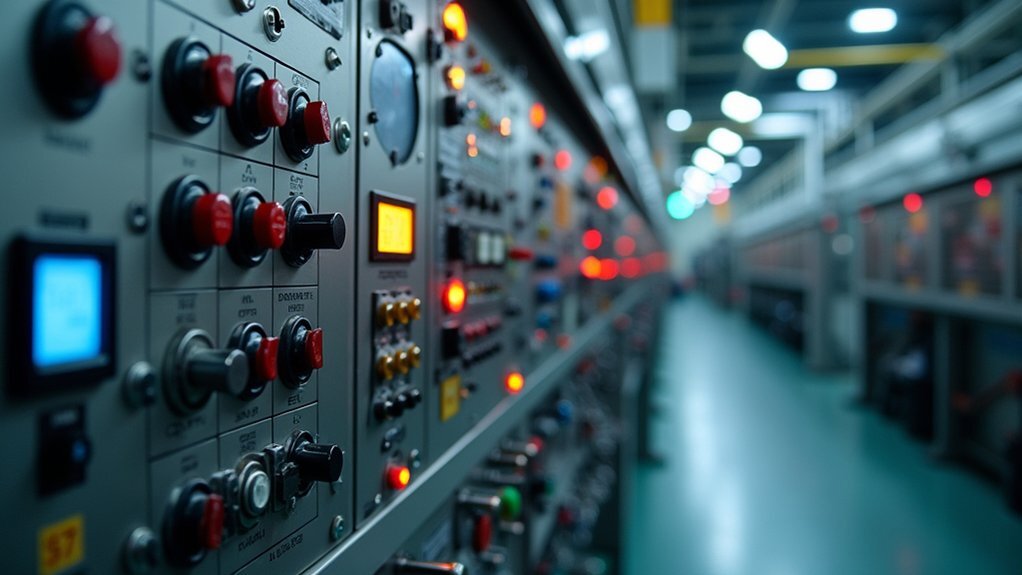
Automation isn’t just about robots on an assembly line anymore; it’s the nervous system of modern manufacturing. From predictive maintenance sensors to fully autonomous logistics, the technology driving today’s facilities is smarter, faster, and more demanding than ever before.
However, many facilities are trying to run 21st-century software on 20th-century hardware. When you introduce high-tech automation to an aging electrical infrastructure, you risk downtime, equipment damage, and serious safety hazards. To truly unlock the potential of modern automation, your electrical backbone needs to be just as sophisticated as the machines it powers.
If your facility is looking to modernize, upgrading your electrical systems is the first step toward a seamless transition. Here are eight essential electrical upgrades that lay the foundation for successful automation.
1. Upgrading Electrical Panels and Switchgear
The heart of your facility’s power distribution is the electrical panel. In older buildings, these panels were designed for static loads, not the dynamic, high-demand surges typical of automated machinery.
Modern automation requires consistent, clean power. Old switchgear often struggles with the harmonics and variable frequencies generated by variable frequency drives (VFDs) and robotics. upgrading to smart panels allows for better load management and real-time monitoring. This ensures your system can handle increased ampacity without tripping breakers or overheating, preventing costly unplanned shutdowns.
2. Installing Variable Frequency Drives (VFDs)
Motors are the workhorses of industry, but running them at full speed constantly is inefficient and hard on equipment. VFDs allow you to control the speed and torque of electric motors, matching output to the specific demand of the process.
For automation, VFDs are critical. They provide precise control required for conveyor systems, pumps, and fans. Beyond control, they offer significant energy savings and extend the lifespan of your motors by reducing mechanical stress during startup. Integrating VFDs into your electrical system creates a more responsive and energy-efficient operation.
3. Implementing Power Conditioning Systems
Automation equipment—specifically PLCs (Programmable Logic Controllers) and sensors—is notoriously sensitive to power quality. Spikes, sags, and transient voltages that a standard motor might ignore can fry a delicate circuit board or scramble data in an automated system.
Power conditioning upgrades, such as surge protection devices (SPDs) and voltage regulators, act as a firewall for your electricity. They ensure the voltage delivered to your machines remains stable and within a safe range. This protects your investment in high-tech robotics and ensures data integrity across your network.
4. High-Speed Data Cabling and Fiber Optics
We often think of electrical upgrades strictly in terms of power, but in automation, data is just as important as electricity. Legacy wiring (like Cat5) often lacks the bandwidth and speed required for the massive data transfer needs of the Industrial Internet of Things (IIoT).
Upgrading to Cat6a or fiber optic cabling provides the low-latency, high-bandwidth infrastructure necessary for real-time communication between machines. This reduces “packet loss” and ensures that your sensors, controllers, and central systems communicate without delay, which is vital for safety protocols and synchronized production lines.
5. Dedicated Circuits for Sensitive Equipment
Plugging a sensitive robotic arm into the same circuit as a heavy-duty welder is a recipe for disaster. The electrical noise generated by heavy machinery can interfere with the signals of automated controllers.
Creating dedicated circuits isolates sensitive automation equipment from “noisy” loads. This segregation minimizes electromagnetic interference (EMI) and radio frequency interference (RFI). It’s a relatively simple upgrade that prevents phantom errors and intermittent glitches that are often difficult to diagnose.
6. Smart Metering and Energy Monitoring
You can’t manage what you can’t measure. Traditional analog meters give you a monthly total, but they don’t tell you how or when you used that energy.
Smart metering integration allows you to track energy consumption at the machine level. In an automated facility, this data is gold. It helps identify inefficiencies, predict when a machine is struggling (and drawing more power than usual), and optimize production schedules to avoid peak demand charges. This upgrade turns your electrical system into a source of actionable business intelligence.
7. Improved Grounding and Bonding Systems
Grounding is often overlooked until something goes wrong. In automated environments, proper grounding is essential not just for safety, but for signal reference. Poor grounding causes “ground loops,” which introduce noise into signal cables, confusing sensors and PLCs.
Upgrading your grounding system ensures a low-impedance path to the earth. This protects personnel from electrical shock and provides a stable reference point for your electronics, ensuring that a “zero” signal is actually read as zero.
8. Backup Power and Uninterruptible Power Supplies (UPS)
Automation increases throughput, but it also increases the cost of downtime. If the power cuts out, restarting a complex automated line isn’t as simple as flipping a switch; it can take hours to recalibrate and reset.
Installing industrial-grade UPS systems ensures that critical control systems stay online during short outages or brownouts, allowing for a controlled shutdown that prevents damage. For longer outages, an integrated backup generator with an automatic transfer switch keeps the lights on and the lines moving.
Powering the Future of Your Facility
Modernizing your facility is about more than just buying the latest robots; it’s about ensuring your infrastructure can support them. These upgrades improve reliability, enhance safety, and ultimately protect the ROI of your automation projects.
If you are planning to integrate new technology into your plant, don’t leave the electrical foundation to chance. Consulting with a qualified industrial electrician in Michigan can help you assess your current capacity and design a system ready for the future. By investing in these upgrades now, you ensure your facility remains competitive, efficient, and resilient for years to come.