
8 Developmental Signs Parents Should Watch For
Watching your child grow is one of the most rewarding parts of parenthood. From that first social smile to their first wobbly steps, every milestone feels like a major victory. However, keeping track of what is “normal” can sometimes be a source of anxiety. While every child develops at their own unique pace, there are specific markers that help parents and caregivers understand if a child is progressing as expected.
Recognizing these signs early can make a world of difference. It allows you to celebrate achievements and, if necessary, seek extra support to help your little one thrive. Whether your child is at home with you or spending time in a care setting, staying observant is key. Here are eight crucial developmental signs to watch for as your child grows, covering physical, social, and cognitive milestones.
1. Responsive Smiling and Social Interaction
By the age of two to three months, most infants begin to smile socially. This isn’t just gas; it is a genuine reaction to your face or voice. This milestone is a critical indicator of early social and emotional development. It shows that your baby is beginning to recognize people and is learning to engage with the world around them.
If a child is rarely smiling at people or seems to avoid eye contact by four months, it’s worth noting. Social interaction is the foundation for communication. Engaging in “serve and return” interactions—where you smile or coo, and the baby responds—builds neural connections. If you notice a lack of engagement, try increasing face-to-face play.
2. Tracking Objects Visually
Around the three-month mark, babies should start following moving objects with their eyes. You might notice them watching a toy as you move it from side to side or following you as you walk across the room. This ability, known as visual tracking, helps babies learn about their environment and improves their coordination.
Visual tracking is essential for later skills like reaching for objects, crawling, and eventually reading. If your baby seems to stare past objects or their eyes don’t move together, bring it up with your pediatrician. Simple games, like moving a colorful rattle slowly in front of their face, can help strengthen these eye muscles.
3. Babbling and Early Communication
Before they say their first real word, babies experiment with sounds. By six months, you should hear a variety of babbles, like “ba-ba” or “da-da.” This back-and-forth vocalization is the precursor to speech. It indicates that the mechanisms for hearing and speech production are working correctly.
As they approach their first birthday, these sounds should start becoming more specific. They might point to things they want or wave goodbye. If a child isn’t babbling by nine months or hasn’t used a single word by 15 months, early intervention can be very helpful. Reading to your child daily is one of the best ways to encourage these verbal skills.
4. Reaching and Grasping
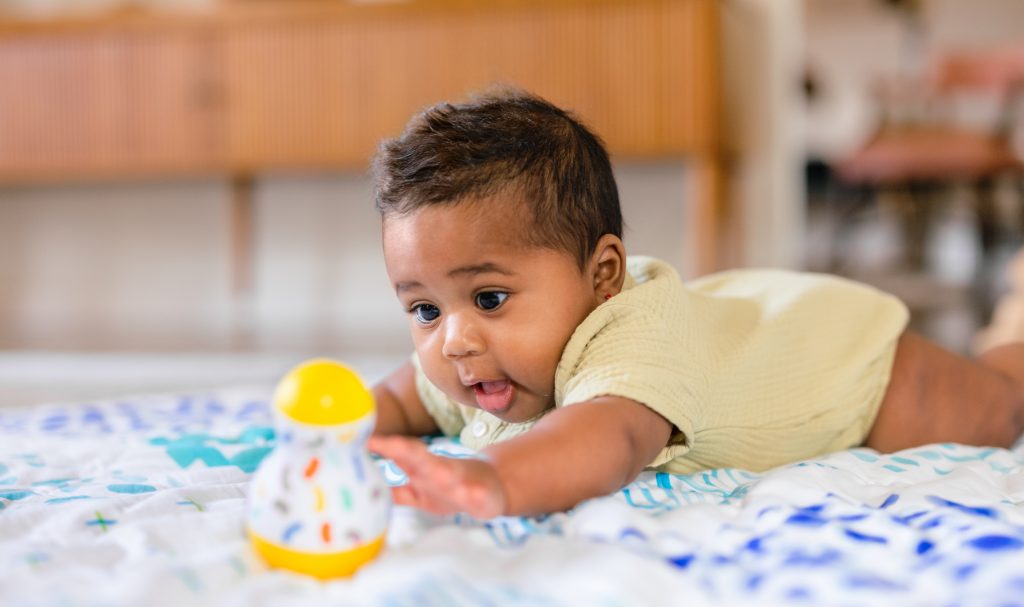
Physical development often starts with the hands. By four to six months, babies typically reach for toys and bring them to their mouths. This demonstrates hand-eye coordination and curiosity. As they get closer to nine months, they develop the “pincer grasp”—picking up small items (like cereal puffs) with their thumb and pointer finger.
This fine motor skill is vital for independence, eventually allowing children to feed themselves, hold crayons, and button clothes. If your child struggles to hold objects or shows a strong preference for using only one hand before age one, it is a sign to watch.
5. Responding to Their Name
By the time a baby is between seven and nine months old, they usually begin to recognize their own name. If you call them from across the room, they should turn their head toward the sound. This milestone indicates both auditory processing and a growing sense of self-identity.
A lack of response to their name (assuming their hearing has been tested and is normal) can sometimes indicate issues with social communication or attention. Consistent social engagement, whether at home or in a structured environment like day care in Taylorsville, helps reinforce name recognition and social bonding.
6. Imitating Actions
Children are natural copycats. Around nine to twelve months, they begin to mimic simple gestures, such as clapping hands or waving bye-bye. As they enter toddlerhood, this imitation becomes more complex—pretending to talk on a phone or stirring a pot in a play kitchen.
Imitation is how children learn social behavior and empathy. It shows they are paying attention to others and understand cause and effect. If a toddler rarely attempts to copy gestures or sounds, it may signal a delay in social-cognitive development. Encouraging pretend play is a great way to boost this skill.
7. Steady Walking
While the age range for walking is wide (anywhere from 9 to 18 months is considered normal), steady movement is a major gross motor milestone. Once a child takes those first steps, they usually gain confidence and stability within a few months.
Walking changes how a child interacts with their world, allowing for exploration and independence. If a child isn’t walking by 18 months, or if they walk exclusively on their tiptoes for an extended period, consult a specialist. Providing plenty of safe, open space for practice is essential for building these leg muscles.
8. Joint Attention
Joint attention occurs when a child looks at something, then looks at you to see if you are watching it too, and then looks back at the object. This shared moment of interest typically develops between 9 and 14 months. For example, a child might point at a dog in the park and look at you to share their excitement.
This skill is crucial for language learning and social connection. It bridges the gap between the child’s mind and yours. If a child rarely points out objects of interest or doesn’t look to see if you are paying attention, they might need support in developing social communication skills.
Every child’s journey is different, but knowing these signposts can help you advocate for your child’s needs. If you notice delays, remember that early intervention is often highly effective. Furthermore, placing your child in an environment that understands these milestones is invaluable. High-quality childcare centers prioritize monitoring these developmental signs, ensuring that every child gets the encouragement they need to reach their full potential.